
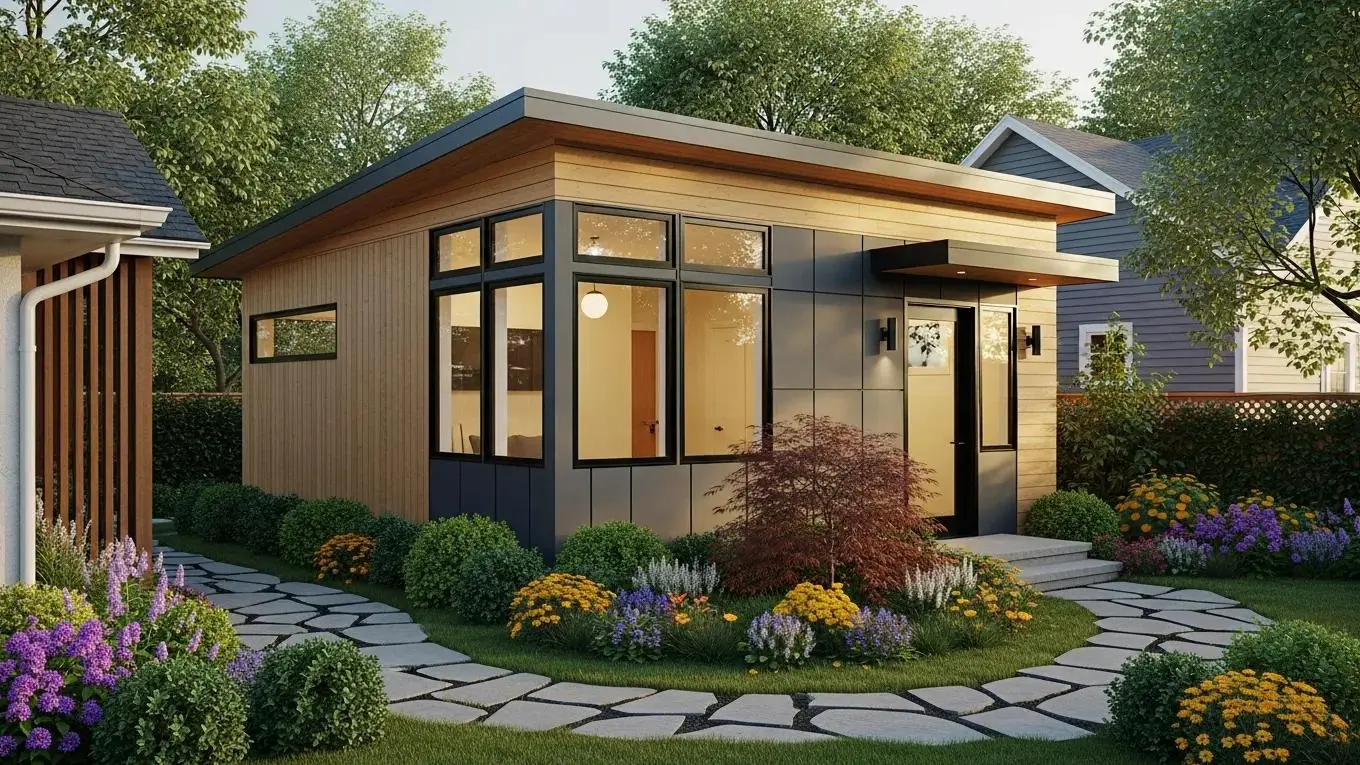
Accessory Dwelling Units (ADU) Construction Guide
Smart homeowners can benefit from this comprehensive ADU construction guide, offering insights on design, financing, and regulations to maximize property value.
Tips, advice, and answers from over 20 years of building and renovating homes on the North Shore.
Smart homeowners can benefit from this comprehensive ADU construction guide, offering insights on design, financing, and regulations to maximize property value.
An Accessory Dwelling Unit (ADU), often referred to as a "granny flat" or "in-law suite," is a secondary housing unit on a single-family residential lot. These units are self-contained, with their own living spaces, kitchen facilities, and bathroom, and can be attached to an existing home or detached. ADUs offer a flexible solution for homeowners looking to increase their property's utility and value.
ADUs come in various forms, including basement apartments, garage conversions, attic conversions, and standalone cottages. They are designed to be independent of the primary dwelling while still being part of the same property. This makes them ideal for accommodating family members, generating rental income, or providing flexible living arrangements.
Constructing an Accessory Dwelling Unit (ADU) offers a multitude of advantages for homeowners, significantly enhancing both their lifestyle and financial standing. Primarily, ADUs provide a valuable source of rental income, allowing homeowners to generate passive revenue from their property. This additional income stream can help offset mortgage payments, cover living expenses, or fund other financial goals.
Beyond financial gains, ADUs foster multi-generational living, enabling families to keep loved ones close while maintaining separate living spaces. This is particularly beneficial for aging parents or young adult children. Furthermore, ADUs can increase the overall value of your property, making it a wise long-term investment. They also offer flexibility for home-based businesses or as guest accommodations, adding significant utility to a residential lot.
When planning an Accessory Dwelling Unit (ADU), thoughtful design is crucial to ensure it meets your needs and complies with local regulations. Key considerations include maximizing space efficiency, integrating with the existing property's aesthetic, and ensuring functional living areas. The size and layout will depend on your specific goals, whether it's for rental income, family housing, or other purposes.
Popular design choices for ADUs include studio layouts for efficiency, one-bedroom configurations for more privacy, or even multi-room designs for larger families. Incorporating features like ample natural light, smart storage solutions, and durable, low-maintenance materials will enhance the livability and longevity of the ADU. It's also important to consider the placement of utilities and access points to ensure seamless integration with the main house and the property.
Understanding and adhering to local regulations and obtaining the necessary permits are essential steps in the Accessory Dwelling Unit (ADU) construction process. Municipalities often have specific zoning ordinances, setback requirements, and building codes that govern the size, placement, and type of ADUs permitted. Familiarizing yourself with these rules early on will prevent costly delays and ensure your project is compliant.
The permit application process typically involves submitting detailed architectural plans, site plans, and other documentation to your local building department. This may include obtaining approvals from various departments, such as planning, zoning, and building safety. Working with an experienced contractor like Clarke Building Company can streamline this complex process, as they are well-versed in local requirements and can help navigate the permitting journey efficiently.