Accessory Dwelling Units (ADU) Construction Guide
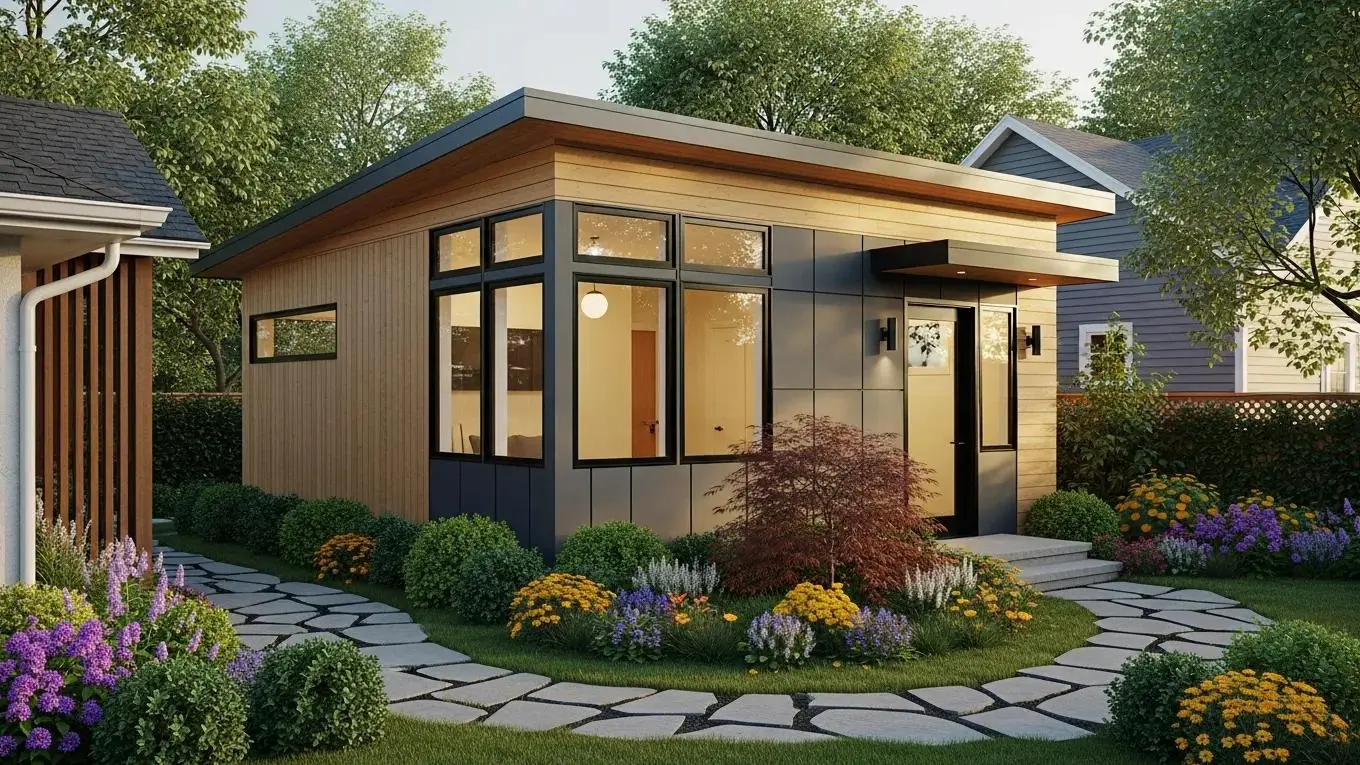
Complete Guide to Accessory Dwelling Units (ADUs): Permits, Costs, and Building Codes
Accessory Dwelling Units (ADUs) offer a practical way to add independent living space on existing lots. This guide summarizes what ADUs are, the permits and codes that commonly apply, typical construction steps and costs, and common financing options to help homeowners decide if an ADU fits their property and goals.
ADU Construction: A Practical Overview
ADUs are self-contained units with a kitchen, bath, and sleeping area that increase housing supply, add value, and provide flexible living arrangements—from housing relatives to creating rental income—without large site changes.
Essential Guide to ADU Construction: Permits, Costs, and Codes
An Accessory Dwelling Unit (ADU) is a secondary housing unit on the same lot as a primary residence. Forms include detached cottages, garage or basement conversions, and attached additions; each provides an independent living space useful for multigenerational households or rentals.
2. Legal Requirements
ADU projects require permits, zoning review, and compliance with local building codes that govern size, placement, and design. Requirements vary by jurisdiction—some areas, for example, allow certain ADUs up to 900 square feet by right—so check local rules early to avoid surprises.
3. Construction Process
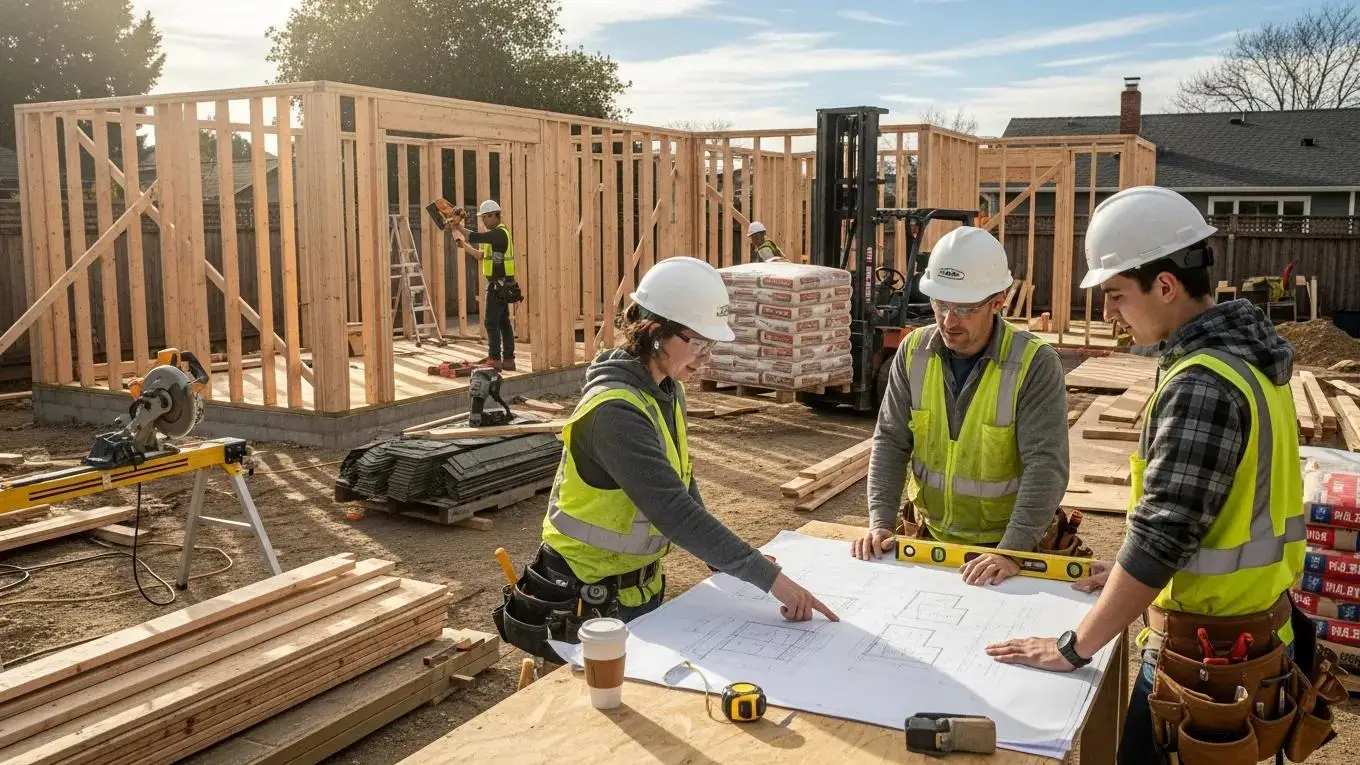
Typical steps to build an ADU include:
- Initial consultation: Discuss scope, budget, and site constraints with a builder or designer. Consider consulting Clarke Building Company’s ADU services for expert guidance.
- Design planning: Produce code-compliant plans reflecting your needs. Learn more about design options at Clarke Building Company Services.
- Permitting: Submit plans and obtain required permits.
- Construction phases: Prepare the site, build structure and systems, and complete finishes. Clarke Building Company offers comprehensive new construction and addition services to support your project.
- Final inspection: Pass inspections to legally occupy the unit.
Each step has its own timeline and paperwork; clear communication with your contractor and permitting office keeps the project on track.
4. Estimated Costs
ADU costs vary by location, size, and finish; typical new-construction ranges in many markets fall between $100,000 and $300,000. Major cost drivers include materials, labor rates, and design features.
- Construction materials: Basic to premium finishes change budgets substantially.
- Labor costs: Local wages and contractor availability impact pricing.
- Design features: Custom layouts and high-end fixtures increase cost.
The table below compares common ADU types and their typical cost ranges.
Use these ranges to set a realistic budget and include contingencies for permits and unexpected work.
5. Common Features of ADUs
Most ADUs include a separate entrance, a full kitchen, a full bathroom, and a compact living area—features that support independent long-term occupancy for family members or renters.
6. Energy Efficiency
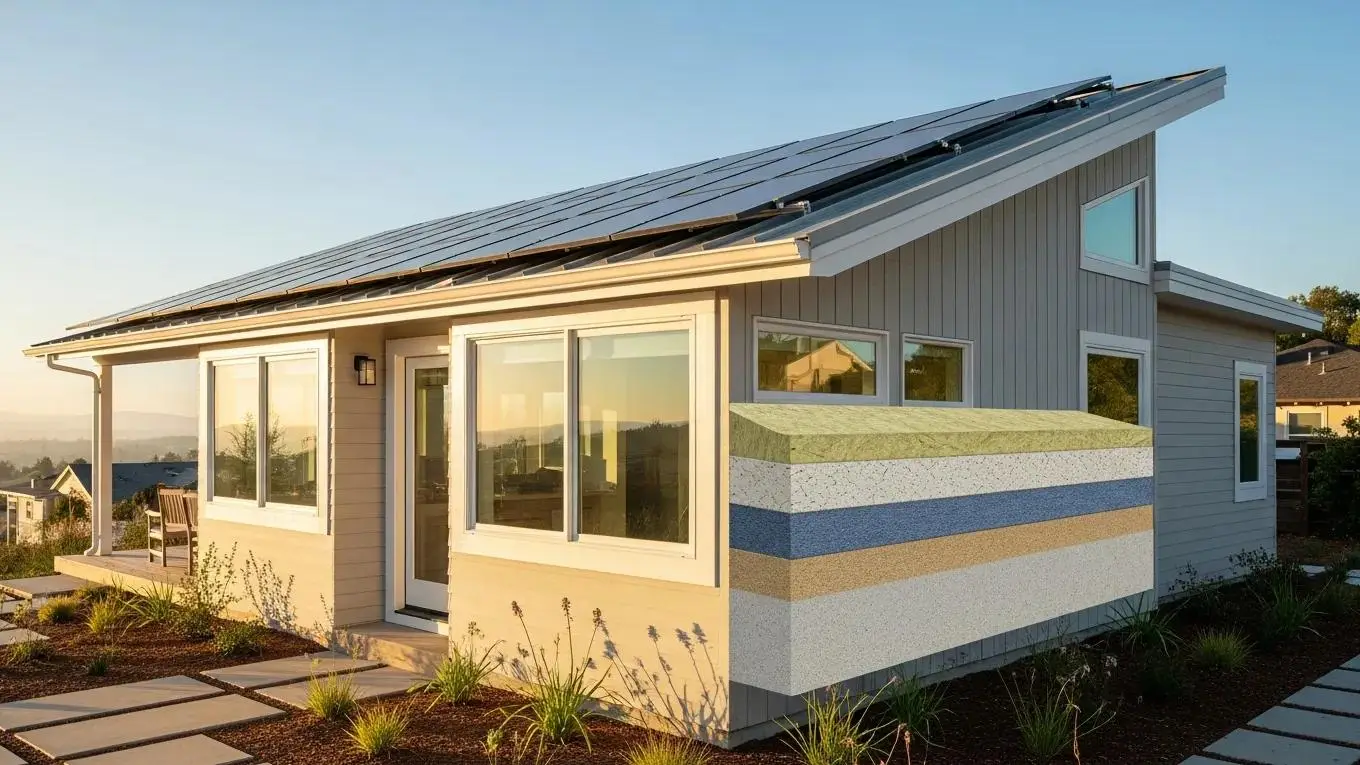
Designing for efficiency lowers operating costs: prioritize high-quality insulation, energy-efficient windows, and sustainable materials, and consider energy systems (for example, solar) where feasible.
7. Maintenance Costs
Plan for ongoing maintenance—roughly 1%–2% of the unit’s value per year—depending on unit age, construction quality, and exterior upkeep like landscaping.
8. Types of ADUs
Common forms include detached cottages, garage conversions, basement conversions, and attached units. Choose based on lot constraints, budget, and intended use.
9. Rental Considerations
If renting an ADU, verify zoning and occupancy limits, ensure the unit meets health and safety codes, and research local rental demand to set competitive pricing while remaining compliant.
10. Financing Options
Common financing paths are home equity loans, personal loans, and construction loans—each with different terms and eligibility—plus potential local grants or incentives that may reduce costs.
11. Timeline for Construction
Most ADU projects take roughly three to six months, though permitting delays, seasonal weather, and labor availability can extend that timeline; build contingencies and maintain clear contractor communication.
12. Challenges
Frequent hurdles include navigating varied zoning rules, obtaining permits, and managing costs; proactive research, realistic budgets, and early engagement with local officials reduce delays and revisions.
What Permits Are Required for Garage Conversion ADUs?
Garage conversions commonly require a building permit and inspections, electrical and plumbing permits for system changes, a zoning review, and any septic assessment if needed—check with your local building department early.
How to Navigate Garage Conversion Permit Processes in Essex and North Shore
Typical steps are an initial consultation with local officials, preparing compliant architectural plans, and submitting permits with required documentation; staying in dialogue with reviewers speeds approval.
Common Zoning Regulations Affecting Garage Conversion ADUs
Zoning rules often address owner-occupancy requirements, setbacks from property lines, and maximum height limits—verify local regulations before finalizing designs.
How to Build Backyard Cottages: Construction and Permit Essentials
Key steps are designing a code-compliant cottage for your lot, securing permits before starting work, and using proven construction methods for foundations, framing, and systems to ensure durability and safety.
Step-by-Step Backyard Cottage Permit Guide for Essex Residents
Essex residents should research local zoning and setback standards, prepare site plans and elevations, and submit a complete application to the building department, responding promptly to review comments.
Design and Sustainable Building Practices for Backyard Cottages
Improve performance and lower operating costs with recycled or low-impact materials, efficient HVAC and appliances, and designs that maximize natural light and passive heating/cooling.
What Are the Key ADU Building Codes and Zoning Regulations in North Shore?
Review minimum lot size rules, design standards that may require neighborhood compatibility, and any occupancy limits that apply; addressing these early prevents design conflicts.
Understanding Accessory Unit Zoning Restrictions and Compliance
Zoning varies widely; work with a local designer or planner to ensure plans meet code and that the unit can be legally occupied.
Local Building Codes Impacting ADU Construction in North Shore
North Shore codes commonly cover structural requirements (foundations, framing, wind/seismic loads), utilities (plumbing, electrical, mechanical), and egress or accessibility standards necessary for inspections and approvals.
How Much Does New Construction ADU Cost and What Financing Options Exist?
New ADU construction commonly ranges from about $100,000 to $300,000 depending on scope and finishes; evaluate loan types, terms, and local incentives to choose the best financing approach.
Estimating Costs for New ADU Construction Projects
Estimate costs by considering design complexity, material choices, and local labor rates; a detailed budget and contingency fund help manage surprises during construction.
Available Financing and Budgeting Strategies for ADU Builders
Create a detailed budget including hard and soft costs plus contingency, compare financing offers, and research grants or incentives to keep the project on budget and schedule.
Frequently Asked Questions
What are the benefits of building an ADU?
ADUs provide flexible living space, can boost property value, and offer rental income opportunities while supporting multigenerational living and potential energy savings.
How do I choose the right type of ADU for my property?
Choose based on lot layout, budget, intended use, and zoning: detached units offer privacy, conversions reuse existing structures, and attached units integrate with the main house.
What are the common challenges faced during ADU construction?
Common challenges include zoning compliance, permitting delays, and budget management; prepare contingencies and maintain clear communication with your team.
How can I ensure my ADU is energy-efficient?
Use high-quality insulation, energy-efficient windows and appliances, design for daylighting and passive gains, and consider renewables like solar where appropriate.
What financing options are available for building an ADU?
Options include home equity loans, personal loans, and construction loans; also check for local grants, tax incentives, or municipal programs that support ADU development.
How long does it typically take to build an ADU?
Expect roughly three to six months from start to finish, allowing extra time for permitting and weather-related delays.
What should I consider when renting out my ADU?
Verify zoning and occupancy rules, ensure code-compliant safety and habitability, research local rent levels, and understand landlord responsibilities to maximize income while staying compliant.
Discover More About Clarke Building Company
For expert assistance with your ADU, home additions, renovations, or new construction projects, learn more about Clarke Building Company and how our experienced team can help bring your vision to life. Explore our full range of services including renovations, kitchen remodeling, and deck construction.
Ready to get started? Contact Clarke Building Company Today