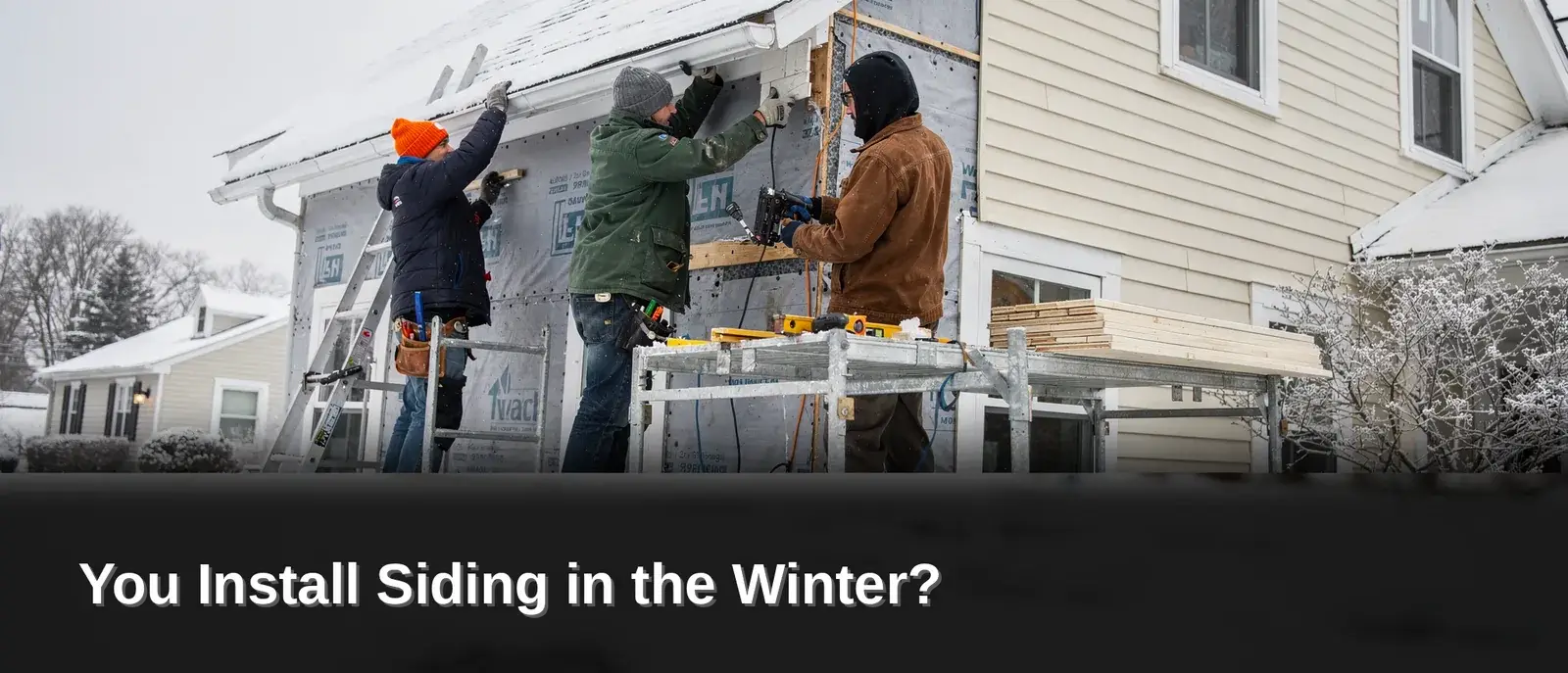
Winter siding installation works in New England when contractors account for freeze-thaw cycles and temperature swings. Fiber cement and cedar shake can both go up in cold weather, but caulks, sealants and paints each list their own minimum application temperature, so the product label sets the limit. Cedar shingles also need to stay dry before they go on the wall. Clarke Building Company schedules North Shore installations around dry weather windows and the instructions for each product.
Key Takeaways
New England’s freeze-thaw cycles demand siding materials that withstand extreme temperature fluctuations year-round.
Fiber cement and cedar shake can both be installed in winter when crews follow the product instructions and keep materials dry.
Winter installation requires careful planning due to moisture, temperature, and material-specific application requirements.
Clarke Building Company helps West Newbury homeowners select durable siding for New England’s demanding climate.
Can You Install Siding in Winter in New England?
Yes, crews can install siding in the winter across New England, provided they understand the region’s weather demands. Freezing temperatures, heavy snow, coastal salt air, and constant freeze-thaw cycles put real stress on exterior materials across the Massachusetts North Shore. Siding chosen and installed with those conditions in mind has a better chance of performing well over time.
Some homeowners would rather not wait for spring, especially when the existing siding is failing or letting in drafts and water. Winter can work for those projects when the schedule leaves room for weather delays.
Does Winter Weather Force Homeowners to Postpone Siding Projects?
Not always. Home improvement plans do not have to sit on hold until warmer months arrive. Whether to start now or wait for spring depends on the condition of the existing siding, the material and the weather window, and a site visit is the best way to decide.
What Makes Cold-Weather Siding Installation Possible?
Planning makes the difference. Teams experienced in siding installation cold weather conditions plan around snow, wind and freezing temperatures instead of pushing through them. They keep materials dry, protect any open wall at the end of the day, and wait when the forecast or the product label says to wait. The same applies whether a homeowner is asking can you install hardie board in the winter or looking into installing cedar shingles in cold weather. Both materials demand careful handling once temperatures drop.
Key considerations for winter installation include:
Material flexibility at low temperatures
Proper sealant curing in cold conditions
Crew experience with snow and ice on site
Scheduling around New England’s variable weather windows
Clarke Building Company brings that cold-weather expertise to projects across the North Shore, serving homeowners who need reliable exterior work through the colder months.
Can You Install Hardie Board in Cold Weather?
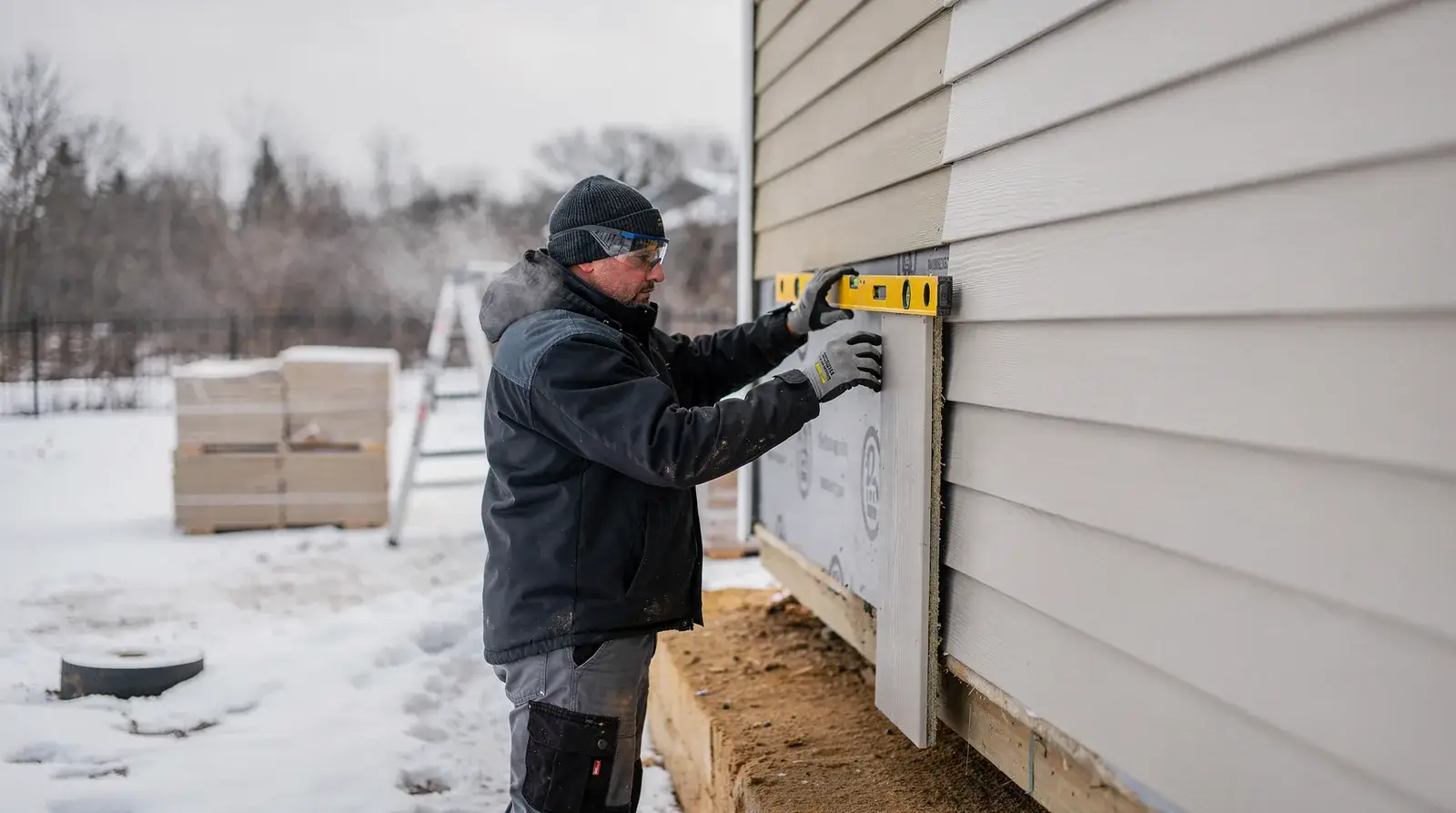
Yes, installers across New England work with Hardie board through the winter. The panels themselves are rarely the limiting factor in cold weather. The caulks, sealants and paints used with them are, and each product lists its own minimum application temperature. James Hardie publishes installation instructions for its products, and those instructions, along with each coating’s label, set the rules for a winter job.
Winter mostly changes the work around the panels. Cutting, fastening, caulking and painting all follow the manufacturer’s instructions, and panels should stay dry and protected from the weather before they go on the wall. Long-term durability is a separate question from timing, and it is worth discussing with the contractor before choosing a material.
Does freezing weather damage fiber cement panels?
Fiber cement is made for freeze-thaw climates once it is installed and finished according to the manufacturer’s instructions. The bigger winter risk is moisture, such as panels that sit wet before installation. The siding on a Massachusetts home never gets the luxury of performing only in mild weather. It has to hold up through wet winters, humid summers, and the periodic violence of nor’easters without interruption.
What should homeowners confirm before scheduling winter installation?
Ask the contractor how temperature affects adhesives, caulking, and paint curing times during the job.
Verify the installer has cold-weather experience with fiber cement specifically
Confirm manufacturer guidance on minimum application temperatures for sealants
Schedule around extended dry stretches rather than active storm systems
Clarke Building Company installs fiber cement siding for homeowners across the North Shore, with Dave Clarke overseeing each project personally from estimate through final walkthrough.
Can Cedar Shingles Handle a Cold-Weather Install?
Cedar shingles install successfully in cold weather when crews account for wood movement and site conditions. New England homeowners often weigh cedar against fiber cement and other siding options when planning an exterior project. Cedar remains a common choice for coastal Massachusetts homes. Installing cedar shingles in cold weather is common practice for crews familiar with regional conditions, as long as the shingles stay dry.
Picking the right material, cedar or otherwise, involves more than matching a paint chip to a porch railing. Coastal moisture and the force of a nor’easter stress every exterior product on a Massachusetts home. Cedar is no exception. Durability, upkeep demands, long-term value, and curb appeal all factor into whether cedar shingles hold up through decades of New England winters.
Does Cold Weather Affect How Cedar Shingles Perform?
Cold air on its own is not the main problem. Wet or frozen shingles are. Cedar that goes up wet can shrink as it dries and open gaps, so crews keep shingles covered and dry and skip days with rain, snow or ice on the wall. Once installed correctly, cedar, like any cladding material, serves as a first line of defense against moisture, insects, and wind-driven rain or ice.
What Should Homeowners Watch for With a Winter Cedar Install?
Wood expands and contracts with humidity and temperature, so spacing between shingles matters more in winter. Crews experienced with siding installation cold weather projects account for this movement during layout. Homeowners should ask about:
Proper gapping to allow for seasonal expansion
Moisture content of the shingles before installation
Flashing details around windows and rooflines
A qualified installer, familiar with New England’s freeze-thaw cycles, keeps a winter cedar project on schedule without sacrificing long-term performance.
What Makes Winter Siding Installation Work Smoothly?
Proper planning, contractor availability, and material tolerance for cold determine whether winter siding installation succeeds. Cold-weather projects across New England demand contractors who treat the season as routine rather than an obstacle. Homeowners asking can you install siding in the winter often assume the answer is no. It is not, provided the crew and the materials are suited to the job.
A good winter plan covers the basics before work starts: dry storage for materials, a way to wrap and protect any open wall overnight, and room in the schedule for snow days and short daylight hours. Rushing to beat a storm is how gaps and poor flashing happen, so the schedule has to allow for delays.
Does waiting until spring actually save money?
It depends on the siding. Cracked panels and gaps around trim can let water and drafts in, and waiting can let that damage spread. If the siding is sound and the project is mostly cosmetic, spring may be the simpler choice. A site visit shows which applies.
Is winter installation standard practice for siding contractors?
Yes, for contractors equipped for it. Some keep exterior work going on suitable winter days rather than pausing until the spring thaw.
Clarke Building Company takes the same approach to exterior work across the North Shore. Owner Dave Clarke personally oversees siding and cedar shake projects, staying the single point of contact from the initial walkthrough through the final nail. That continuity, paired with cold-weather readiness, is what keeps a winter siding project on schedule.
How Should North Shore Homeowners Plan Winter Siding?
Planning starts with material selection, not scheduling. New England’s demanding climate, with its freeze-thaw cycles, coastal moisture, and harsh winter storms, means the exterior renovation decision matters more than the calendar date. North Shore homeowners get better long-term results by choosing siding engineered for regional conditions first, then working out timing second.
A clear process helps avoid costly missteps:
Identify the siding material best suited to New England weather patterns before requesting quotes.
Confirm the contractor has direct experience with siding installation cold weather projects in the region.
Schedule an on-site walkthrough so pricing reflects the actual home, not a generic estimate.
Set a realistic completion window that accounts for weather delays.
Clarke Building Company is an owner-run builder based in West Newbury, MA, that installs fiber cement and cedar shake siding for homeowners across the North Shore. Owner Dave Clarke personally walks each home, prices the siding scope, and remains on-site through completion, a structure that keeps communication direct and reduces the guesswork many homeowners associate with winter projects.
Does the season change what siding material homeowners should choose?
Material choice depends more on long-term durability than on the month of installation. Fiber cement and cedar each respond differently to moisture and temperature swings common in a New England winter. Homeowners planning ahead should discuss material performance with their contractor before locking in a start date. The wrong choice creates maintenance headaches regardless of when crews arrive. When new siding is part of larger renovation projects, the exterior schedule can be planned alongside the rest of the work.
What should a homeowner ask before hiring a winter siding contractor?
Ask whether the contractor has handled can you install siding in the winter projects successfully in the local climate before. Confirm the estimate comes from an actual site visit, not a phone quote, and ask who remains accountable once work begins.
FAQ
Can siding installation happen during a New England winter?
Yes, crews install siding in winter across New England when they account for freeze-thaw cycles, coastal salt air, and temperature swings. Experienced teams plan around snow and freezing temperatures, keep materials dry and follow each product’s installation instructions.
Does fiber cement siding hold up in cold temperatures?
Fiber cement, including Hardie board, can be installed in cold weather. The caulks, sealants and paints used with it each have their own minimum application temperature, so installers follow the product labels and the manufacturer’s installation instructions.
Should homeowners wait until spring to replace failing siding?
Not necessarily. If failing siding is letting in water or drafts, waiting can let the damage spread. A site visit shows whether the project should start now or can wait for spring.
Conclusion
Winter siding installation takes careful planning and the right material handling for a New England winter. Cedar shake and fiber cement each have their own cold-weather requirements, from dry storage to the temperature limits on caulks and coatings. Homeowners who understand these seasonal considerations and work with a qualified contractor can protect their investment and keep their homes sound.