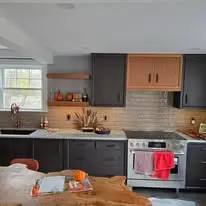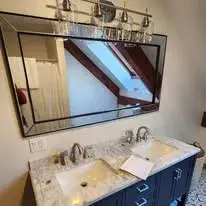
Home Renovations Guide for Historic North Shore Homes
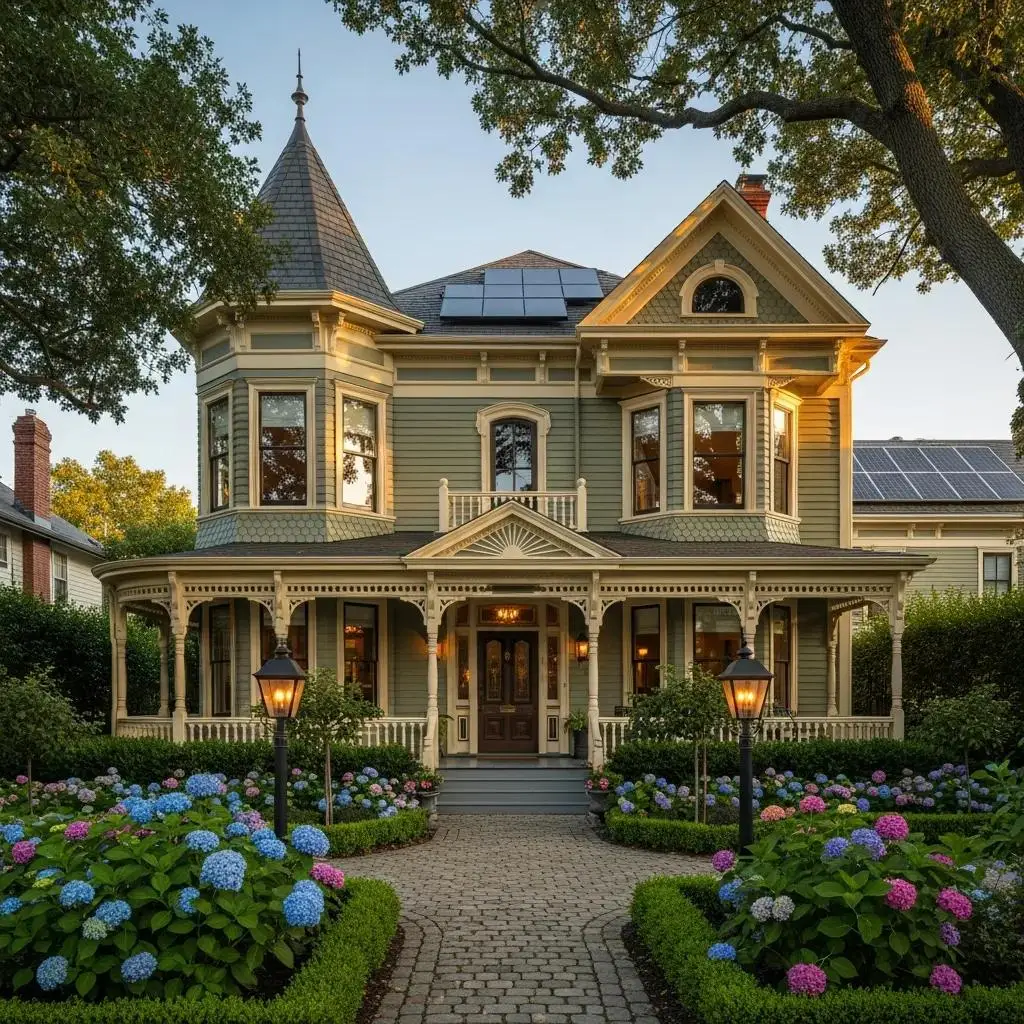
Comprehensive Home Renovations Guide for Historic North Shore Homes
Renovating historic North Shore homes requires balancing preservation with modern comfort. This guide gives focused, practical advice on complying with local rules, assessing structures, choosing quality materials, and working with skilled craftsmen so homeowners can preserve character while upgrading performance.
Preservation of Original Features
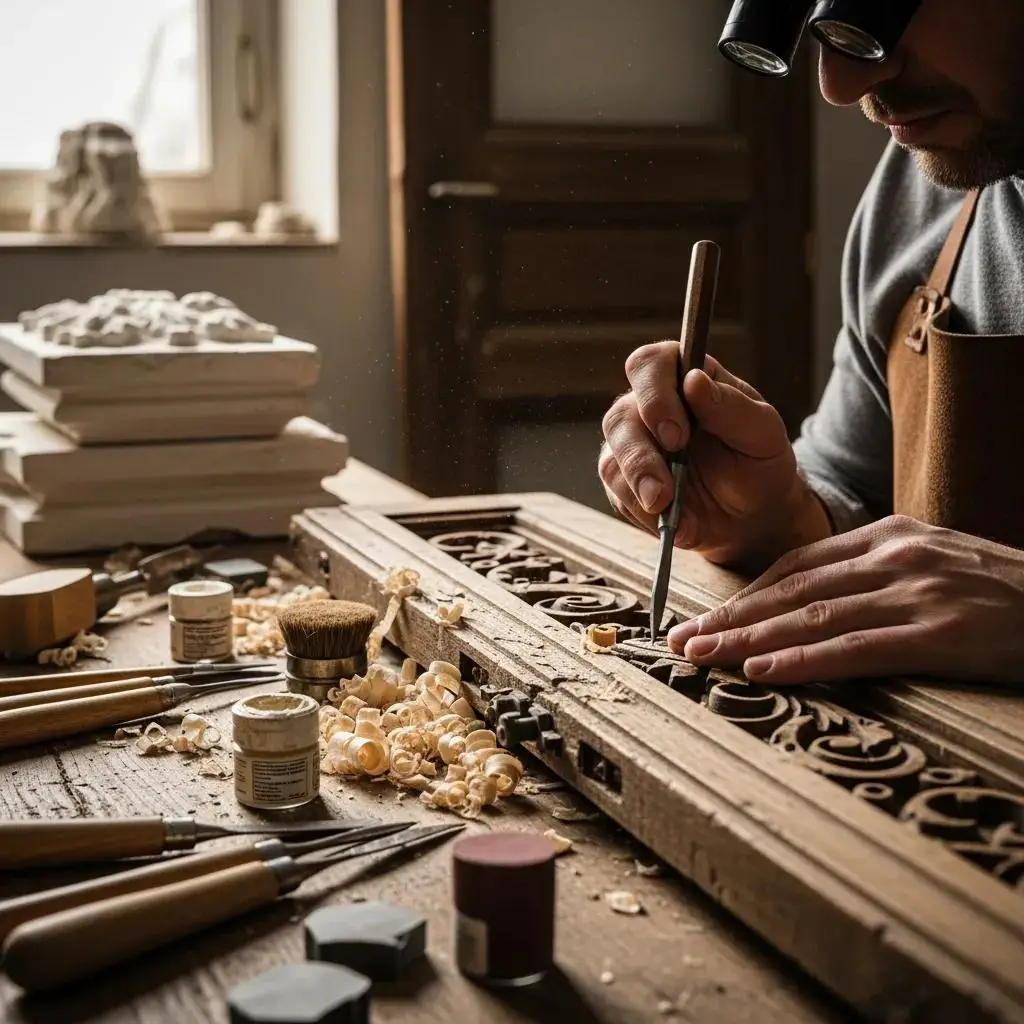
Begin with a careful inventory of defining architectural elements. Prioritise repair over replacement, and use accurate replication only when restoration is not feasible to retain historical significance and long‑term value.
Compliance with Local Regulations
Early review of local preservation guidelines and permit requirements reduces delays. Coordinate with preservation commissions and authorities during planning to protect both neighbourhood character and the home’s integrity.
Assessment of Structural Integrity
Perform a thorough inspection before work starts to uncover concealed issues. Engage professionals experienced with historic properties to evaluate foundations, water damage, and antiquated systems so you can plan cost‑effectively.
Custom Solutions
Tailor solutions to each home’s layout and aesthetic. Sensitive interventions — for example, opening circulation carefully or hiding modern systems — can improve function without diminishing historic character.
Tailored Renovation Solutions for Historic North Shore Homes
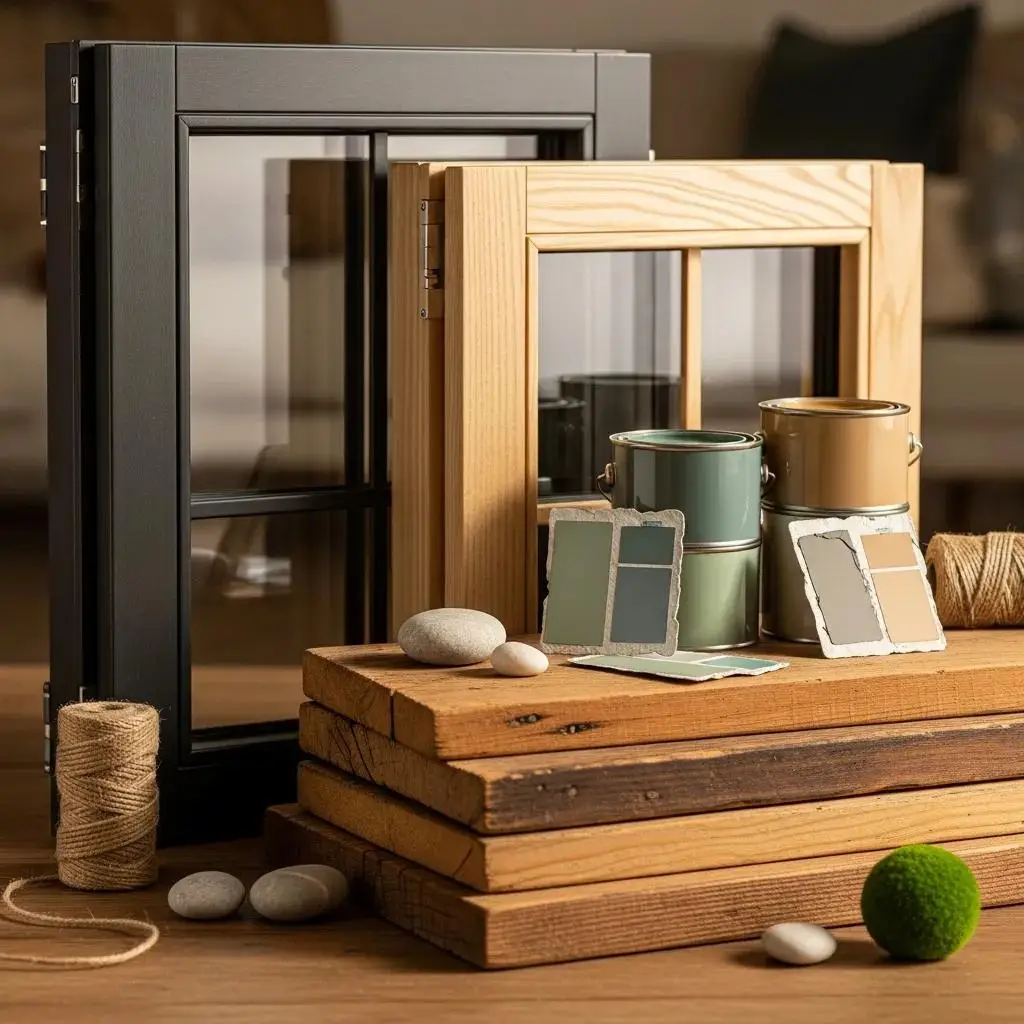
Choose durable, compatible materials such as reclaimed timber and energy‑efficient windows that respect existing fabric. The right materials improve performance while minimising future maintenance and preserving style.
Skilled Craftsmanship
Hire craftsmen who understand traditional methods and historic detailing. Experienced contractors deliver precise work that preserves defining features and meets professional restoration standards.
Planning for the Unexpected
Set a flexible budget with contingencies and realistic schedules. Maintain open communication with your contractor so unforeseen issues are addressed quickly and disruptions are minimised.
Effective Communication
Establish regular updates and decision checkpoints to keep scope, schedule, and quality aligned. A transparent, collaborative process reduces rework and supports client satisfaction.
What Are the Essential Steps for Historic Home Remodeling in North Shore Massachusetts?
The essential steps include:
- Setting a Clear Budget: Define project scope and include contingency funds.
- Researching Local Contractors: Select teams with historic renovation experience.
- Creating a Detailed Timeline: Map phases and allow flexibility for surprises.
These actions form a practical roadmap to manage risk and complexity during a historic remodel.
How to Assess and Plan Renovations for Older North Shore Homes
Use comprehensive inspections and involve contractors early. Identify structural concerns, necessary updates, and regulatory constraints, then develop a plan that balances preservation with modernisation.
What Permits and Local Building Codes Must Be Considered in Historic Renovations?
Historic projects commonly require specific permits and code compliance. Consult local authorities and work with contractors familiar with historic regulations to streamline approvals and avoid setbacks.
Which Quality Materials and Craftsmanship Techniques Ensure Durable Historic Home Renovations?
Select materials compatible with the existing fabric and use traditional techniques—joinery, careful repair, and like‑for‑like replacements—so interventions are durable and authentic.
How Does Clarke Building Company Integrate Traditional Styles with Modern Construction?
Clarke Building Company uses custom solutions that preserve original character while adding contemporary function, especially in kitchens and bathrooms, and selects materials suited to the coastal climate.
What Sustainable and Eco-Friendly Materials Are Recommended for Historic Home Remodeling?
Recommended sustainable choices include reclaimed timber, energy‑efficient windows, and low‑VOC finishes to improve energy performance without harming historic character.
How Do North Shore Home Renovation Contractors Personalize Services for Historic Properties?
Contractors personalise services through detailed consultations that identify homeowner priorities and the home’s needs, producing tailored plans that meet both design and preservation goals.
What Client Collaboration Practices Enhance Remodeling Outcomes?
Schedule feedback sessions and milestone reviews, and involve clients in key decisions to reduce revisions and ensure results that honour the home’s history while adding value.
How Are Accessory Dwelling Units Integrated into Older Home Renovations?
Integrate ADUs only where designs respect the primary structure and comply with zoning. Thoughtful ADUs add functionality and potential rental income without detracting from historic character.
What Are the Common Challenges and Solutions in West Newbury and Essex County Historic Home Renovations?
Common issues include ageing infrastructure and local preservation constraints. Effective responses are thorough assessments, hiring locally experienced contractors, and maintaining communication with authorities.
How to Address Structural and Energy Efficiency Upgrades in Historic Homes?
Balance preservation with performance by identifying retrofit opportunities—insulation improvements, sensitive window upgrades, and discreet system updates—that improve comfort and lower operating costs when done carefully.
Refer to expert resources for detailed guidance on evaluating and implementing energy efficiency improvements in historic buildings.
Energy Efficiency Upgrades for Historic Buildings
Guidance to help property owners, preservation professionals, and stewards of historic buildings make informed decisions when considering energy efficiency improvements to historic buildings. Improving energy efficiency in historic buildings, 2012
What Are Proven Strategies for Preserving Architectural Integrity During Remodeling?
Document existing conditions, prioritise repair over replacement, and use compatible materials and methods. Engage craftsmen skilled in historic techniques to ensure accurate, durable interventions.
Frequently Asked Questions
What are the benefits of hiring a contractor experienced in historic renovations?
Experienced contractors understand preservation standards, material compatibility, and specialised techniques, reducing risk and delivering higher‑quality, longer‑lasting results.
How can homeowners prepare for unexpected issues during renovations?
Establish contingency funds, commission pre‑construction inspections, and keep regular communication with your contractor to respond quickly to surprises.
What role does community input play in historic home renovations?
Community and preservation group input helps align projects with local expectations and can guide sensitive design choices that respect neighbourhood character.
What are the best practices for selecting sustainable materials for historic renovations?
Choose environmentally responsible materials compatible with existing fabric, evaluate durability and maintenance, and work with suppliers experienced in sustainable historic materials.
How can homeowners ensure their renovations comply with local historic preservation guidelines?
Research applicable regulations, consult preservation boards early, and hire contractors knowledgeable about local approval processes to streamline permitting.
What are the advantages of integrating modern technology into historic homes?
Modern systems improve energy efficiency, comfort, and security; when selected and installed sensitively, they enhance performance without undermining historic character.
What should homeowners consider when planning for accessory dwelling units (ADUs) in historic homes?
Ensure ADU designs respect the existing architecture, verify zoning and permit requirements, and collaborate with architects and contractors experienced in historic contexts.
About Clarke Building Company
Clarke Building Company is a trusted leader in historic home renovations across the North Shore, known for integrating traditional styles with modern construction techniques. Their team of skilled craftsmen and experienced contractors deliver high-quality, durable results that preserve architectural integrity while enhancing comfort and functionality.
With a strong commitment to client collaboration and transparent communication, Clarke Building Company ensures every project aligns with homeowner priorities and local preservation standards. They serve key communities including West Newbury, Newburyport, Ipswich, and Hamilton, providing tailored solutions for historic homes.
Learn more about their values and client experiences on their Why Clarke and Reviews pages.
Ready to start your historic home renovation? Visit their Contact page to connect with the Clarke Building Company team and discuss your project.