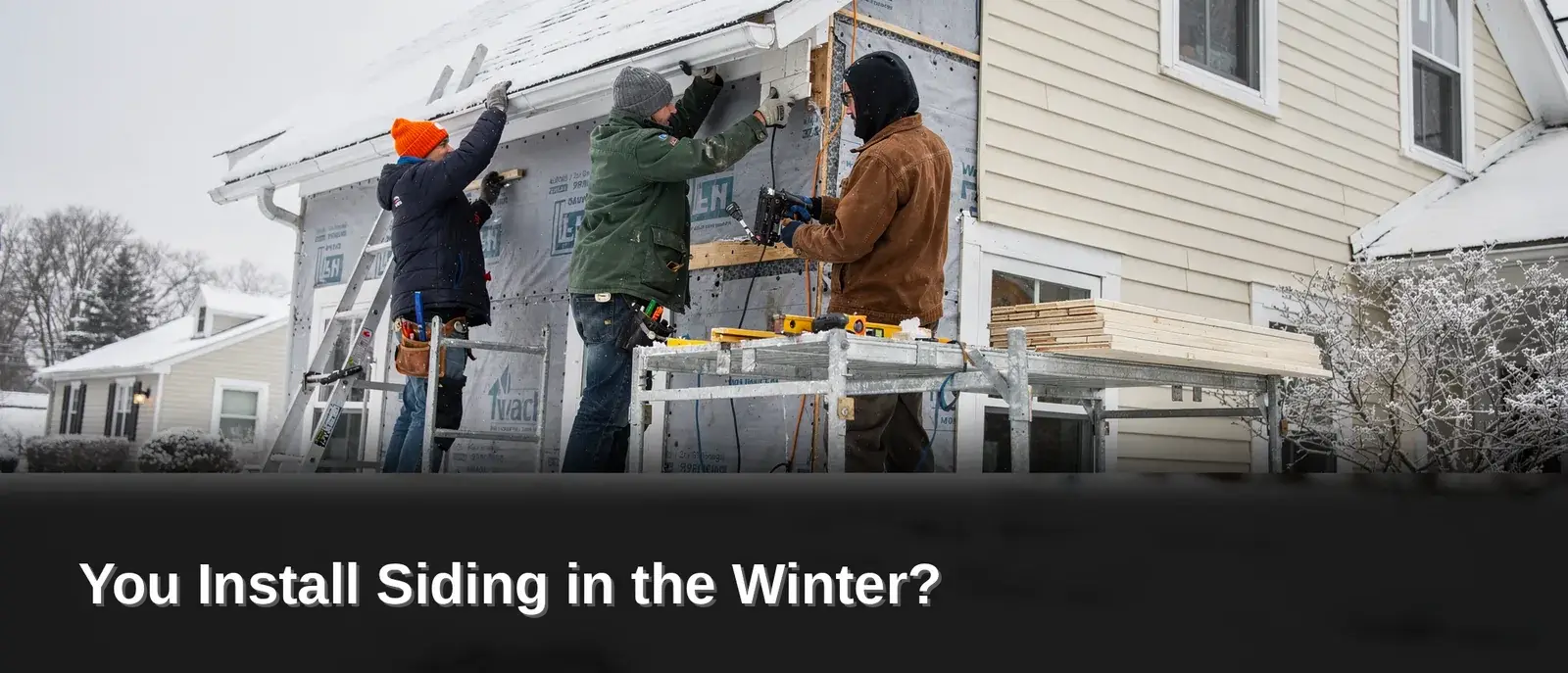
Re-siding older homes in Ipswich, Massachusetts requires preserving original trim profiles while matching cedar shingle reveal and texture to existing historic details. Clarke Building Company, serving homeowners across Ipswich, removes hidden siding layers, sources authentic cedar shakes, and restores period character for Ipswich’s homes dating back to 1634.
Key Takeaways
- Cedar shake shingles reveal original character; removing aluminum siding uncovers historic details underneath.
- Matching 60-year-old cedar shingles requires 11-inch reveal patterns with combed texture details.
- Older homes need rot and water damage assessment before any siding installation begins.
- Historic homes benefit from cedar restoration over modern alternatives for authentic appearance preservation.
Why Does Ipswich’s History Shape Your Siding Choice?
Settlement patterns from 1634 explain why re-siding an old house in Ipswich, MA demands more care than a standard remodel. Ipswich holds the largest concentration of pre-1725 Colonial and First Period architecture of any town in the country. That density of original building stock means siding decisions ripple beyond a single property line.
Local pride in these homes runs deep. Ipswich homeowners consistently choose to preserve original character rather than strip it away for convenience. At the same time, most want bathrooms that don’t leak, and exteriors that hold up through North Shore winters. Balancing preservation with practical upgrades is the real challenge behind most exterior renovating an older Ipswich home in town.
What Makes Siding Work Different on an Antique House?
Replacing cedar shake siding on an antique house rarely follows a standard playbook. Post-and-beam framing behaves differently than modern stick framing once old sheathing comes off. Plaster walls behind exterior siding add fragility that newer homes don’t have, and lumber dimensions from earlier construction eras often don’t match today’s standard stock sizes.
Do Local Rules Affect Ipswich Historic Home Exteriors?
Local historic guidelines frequently shape what’s permitted on an Ipswich historic home exterior, particularly in designated districts. These rules, combined with structural quirks, affect:
- How much of the original wall assembly can stay intact
- Which materials meet appearance and durability standards
- How trim details get matched or recreated
- Timeline and sequencing of the scope of work
Clarke Building Company accounts for these factors before quoting any siding project, with Dave Clarke evaluating each home’s framing and history firsthand.
What Makes Cedar Shake the Historic Siding Standard?
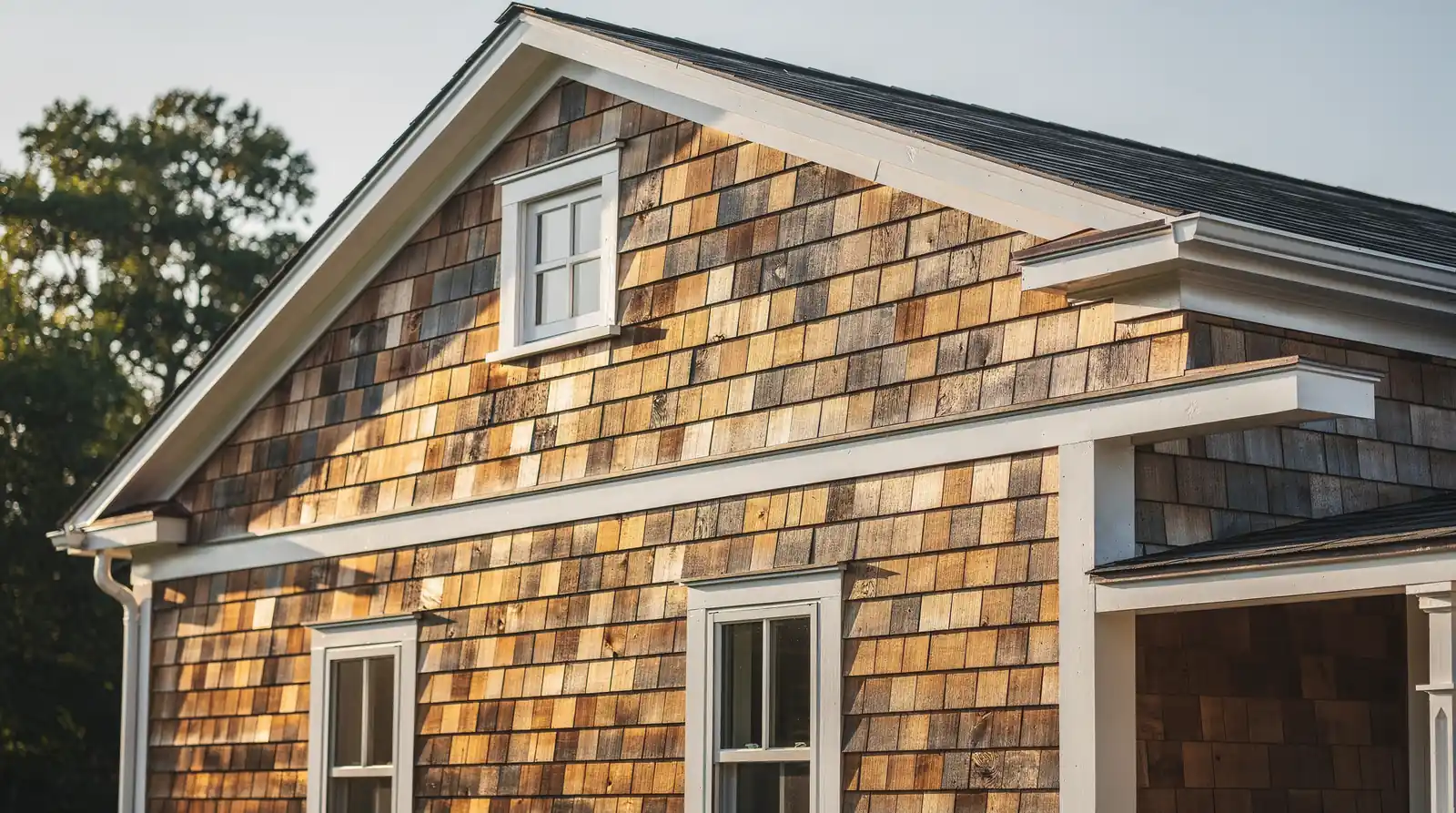
Cedar shake earned its place as the original cladding on countless early 1900s homes. Ipswich’s historic housing stock reflects that pattern clearly. Settled in 1634, Ipswich holds one of the largest concentrations of pre-1725 Colonial and First Period homes in the country. Many of those structures, along with later 19th and early 20th century houses throughout town, were originally finished in cedar shake siding historic home material rather than clapboard or masonry.
White cedar became the preferred species for a practical reason: it resists insects and rot naturally, and it tolerates salt air without breaking down. For a coastal town like Ipswich, situated near the Atlantic and exposed to salt-laden wind off the marshes, that durability mattered. Builders chose the material because it performed, not simply because it looked the part.
Why is cedar shingle siding so common on New England coastal homes?
Cedar shingle cladding stands as a recognized hallmark of coastal New England architecture, appearing on well-preserved historic homes across the region. Greek Revival cottages and First Period saltboxes alike relied on the material for weather protection. In Ipswich, that tradition shows up on homes near the Ipswich River and throughout the historic downtown core.
Should old siding covering original cedar shingles be removed?
Removal is almost always the right call. Vinyl, aluminum, or asbestos siding installed over original cedar shingles traps moisture and hides the home’s authentic character underneath. Pulling that covering off:
- Reveals surviving historic shingle siding that may only need repair, not replacement
- Prevents hidden rot from spreading undetected behind newer materials
- Preserves the architectural integrity that gives Ipswich’s Ipswich historic home exterior its value
For owners planning re-siding an old house Ipswich MA projects or replacing siding on an antique house, Clarke Building Company evaluates what’s underneath before recommending a replacement path.
How Do You Match Decades-Old Shingle Texture?
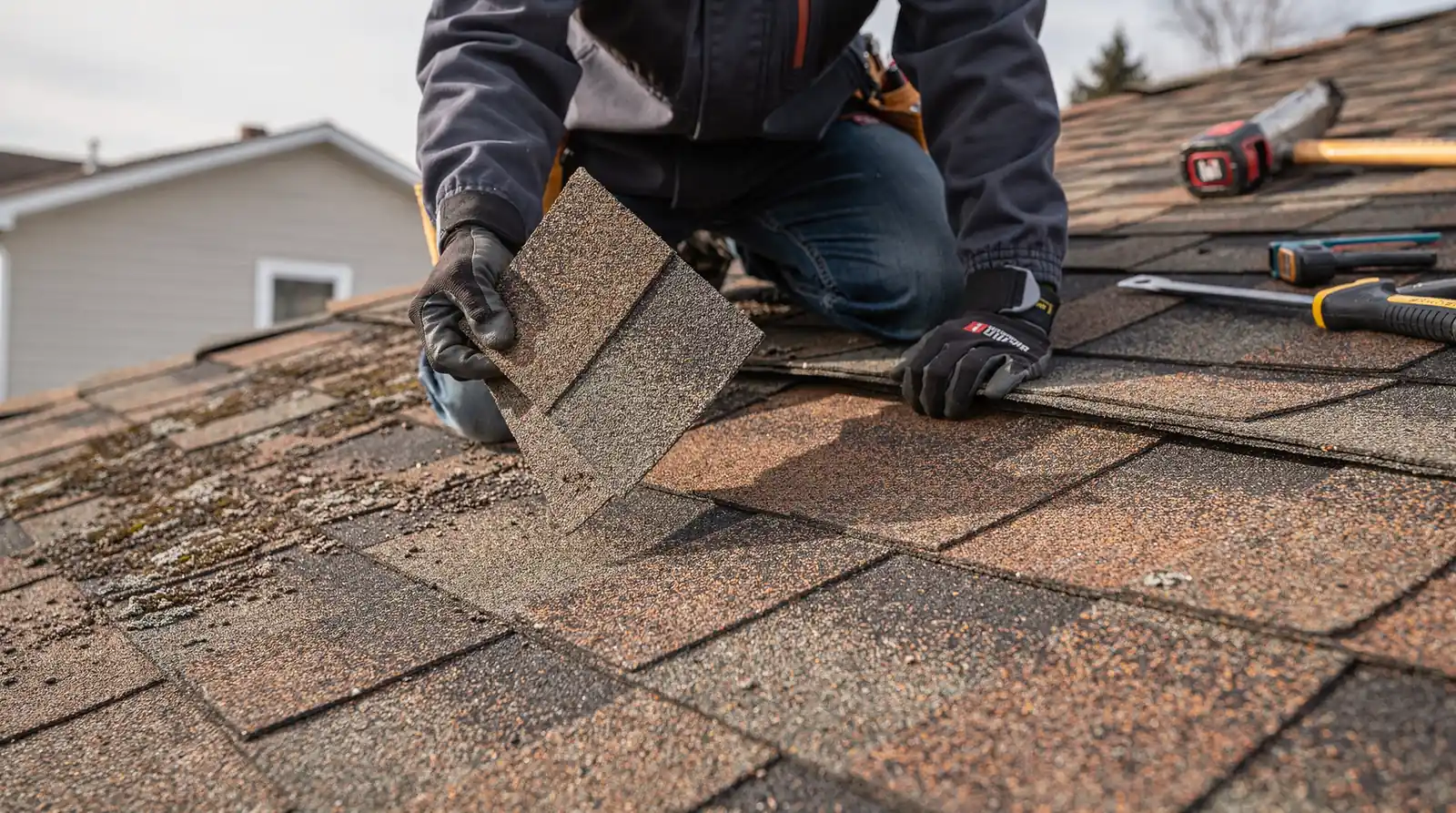
Texture, not color, separates a convincing match from an obvious patch. Many Ipswich homeowners tackling re-siding an old house ipswich ma style discover this the hard way when a reconstructed wall section sits beside original shingles that have weathered for fifty or sixty years. One documented case involved exactly that problem: a rebuilt wall next to sixty-year-old cedar shingles that refused to blend, no matter what new material went up.
The surface detail is the culprit. Older cedar shingle siding historic home installations often carry a slight combed texture, roughly one-eighth inch deep, on pieces around fifteen inches long. Seams between individual shingles can be nearly invisible, giving the wall a continuous, almost woven look that modern materials rarely replicate.
Why don’t new cedar shingles match old ones?
Standard A-1 rated cedar bundles sold through typical building supply channels tend to be apartment. Uniform, with none of the hand-worked texture found on antique siding. That gap makes replacing siding on an antique house a matching exercise as much as a construction task.
What should Ipswich homeowners check before ordering replacement shingles?
Before committing to a bundle, compare texture, length, and exposure against a removed sample from the home. A few practical checks:
- Measure exposure length against the original courses
- Examine depth and direction of any combed grain
- Check whether seams lie flush or shadow-lined
Clarke Building Company serves Ipswich, Massachusetts homeowners navigating these texture mismatches on First Period and Colonial-era homes, bringing sourcing knowledge to projects involving ipswich historic home exterior restoration.
Is Vinyl Siding Ever Right for an Antique House?
Vinyl siding fits a narrow set of circumstances on an antique Ipswich property. Homeowners pursuing full historical accuracy on a First Period home should look elsewhere. For owners weighing lower maintenance against strict preservation goals, the material deserves an honest look rather than automatic dismissal.
Marketed benefits are real but limited. Vinyl siding improves curb appeal while cutting the ongoing upkeep costs tied to cedar shake siding historic home maintenance, such as periodic staining or shingle replacement. Some manufacturers even produce profiles meant to echo New England styles, including Cape Cod shingle patterns, half-round scallops, and traditional clapboard.
That resemblance, however, rarely survives close inspection. Shadow lines, shingle thickness, and butt reveal on a true 17th or 18th century Ipswich structure cannot be fully replicated in extruded plastic. Buyers and preservation commissions notice the difference quickly.
Does Vinyl Siding Hold Up on an Old House?
Older homes, including many in Ipswich’s historic districts, often hide rot, water damage, and multiple layers of old siding beneath the existing exterior. Those conditions must be addressed before any new material, vinyl or wood, goes on. Covering compromised sheathing with vinyl traps moisture and accelerates hidden decay rather than solving it.
What Should Ipswich Homeowners Consider Instead?
Before deciding, owners should weigh:
- Whether the property sits in a local historic district with exterior review requirements
- The condition of sheathing and framing under current siding
- Resale value tied to authentic ipswich historic home exterior character
- Long-term cost of vinyl replacement versus cedar shake lifespan
Clarke Building Company evaluates these factors on-site before recommending replacing siding on an antique house with wood or vinyl.
Who Should Guide Your Ipswich Re-Siding Project?
A qualified general contractor with direct historic-property experience should guide re-siding an old house in Ipswich, MA. Settling for a crew unfamiliar with First Period architecture risks mismatched trim, rushed shingle work, and repairs that need redoing within a few years. Ipswich homeowners carry a heavier burden than most: preserving character while meeting modern durability standards.
Clarke Building Company brings craftsmanship and personal service to Ipswich homes, covering projects ranging from historic restorations to modern renovations. “Clarke” is the accepted shorthand for second reference throughout the North Shore. The company is based in West Newbury, MA, and travels regularly to Ipswich as part of its broader North Shore service area, so homeowners gain specialized siding expertise without searching for a local-only outfit.
Why does owner involvement matter on a historic re-siding job?
Owner involvement matters because historic siding work demands judgment calls that a hands-off manager often misses. Dave Clarke walks the house personally, prices the work himself, and stays on the project until completion. No handoff to a rotating project manager means the person who evaluated the original cedar shake, trim profile, and reveal pattern is the same person overseeing installation.
What does full-service siding support include?
Full-service support covers premium siding and cedar shake installation alongside broader renovation capabilities. Clients get one point of contact from the first conversation through the final walkthrough.
- Direct owner assessment of existing siding condition
- Premium cedar shake sourcing and installation
- Coordination spanning trim, structural repairs, and finish work
- Single point of contact throughout the project
That continuity matters most when replacing siding on an antique house, where small decisions compound quickly.
FAQ
Why does re-siding an old house in Ipswich require special care?
That density of original building stock means siding decisions affect historic character beyond a single property.
What structural issues complicate siding work on antique houses?
Plaster walls behind exterior siding add fragility, and older lumber dimensions often don’t match today’s standard stock sizes.
Why was cedar shake the original siding choice for historic homes?
White cedar resists insects and rot naturally and tolerates salt air without breaking down, making it ideal for coastal Ipswich. Many pre-1725 and later 19th and 20th century homes throughout town were originally finished in cedar shingle siding.
Conclusion
In closing, preserving the authentic character of an older Ipswich home through thoughtful cedar shingle restoration demands both technical precision and respect for historical integrity. The investment in quality materials and skilled craftsmanship protects your property’s structural soundness while honoring the architectural details that define its place in the community. Homeowners who prioritize this approach secure lasting value. Maintain the distinctive character that distinguishes their residence for generations to come.
Planning Work on Your Ipswich Home?
Talk with Dave and the Clarke Building Company team about your re-siding project. We keep you in the loop from the first walkthrough to the last shingle. Contact us to set up a visit.